Materials analysis and pyrolysis
Make complex materials measurable.
Thermal sample preparation opens up direct access to polymers, lacquers, adhesives and unknown solids – without complicated extraction.
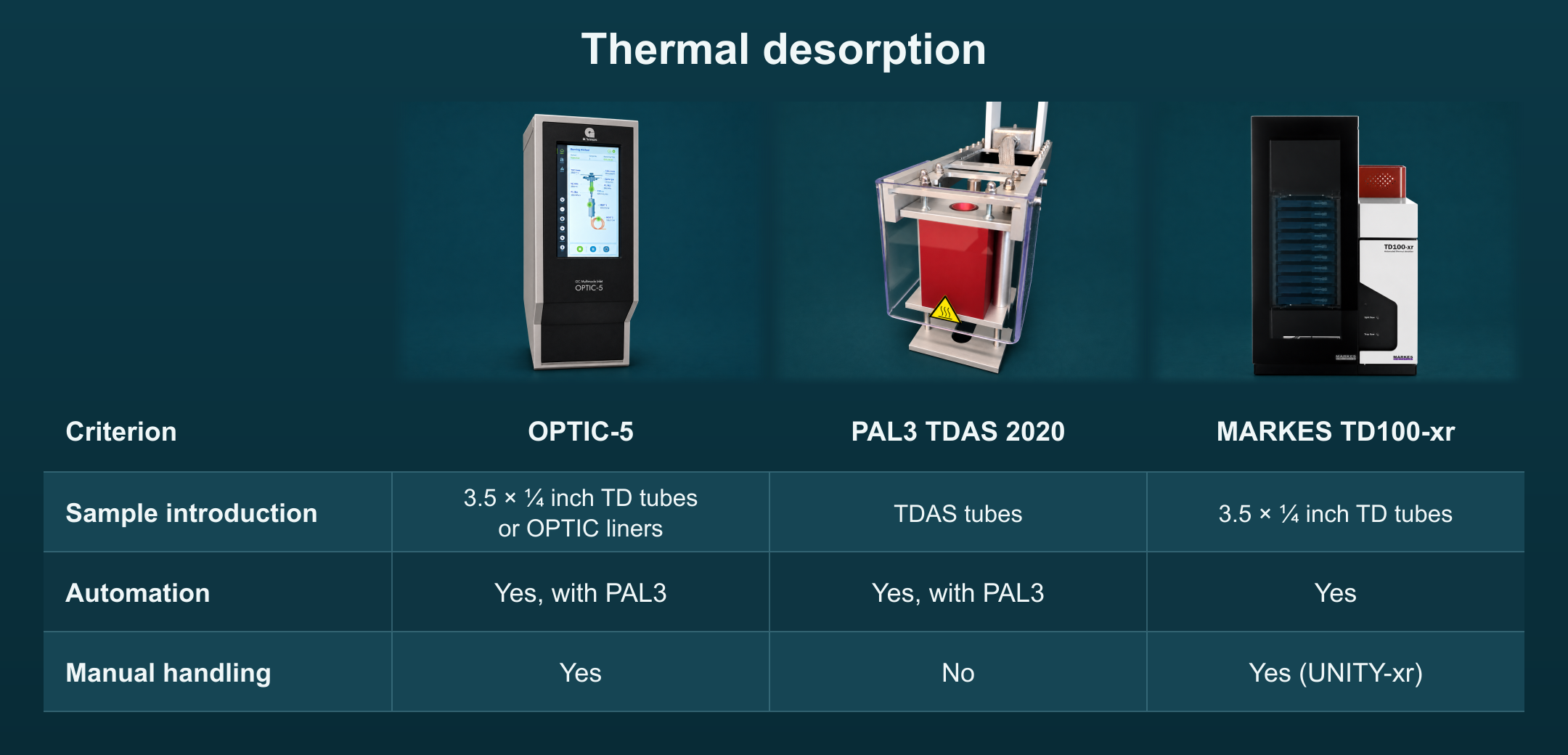
Thermal desorption
Our thermal desorption solutions compared
Pyrolysis
Our pyrolysis solutions compared
From rapid micro-pyrolysis to automated large-volume pyrolysis – the right technology for your analytical requirements.
| Criterion | GL Sciences OPTIC-5 Pyro | CHROMTECH Large Volume Pyrolysis |
|---|---|---|
| Pyrolysis principle | Direct pyrolysis in the GC inlet | External furnace pyrolysis with a heated transfer line |
| Method | Py-GCMS – pyrolysis with GC-MS | Furnace pyrolysis with GC-MS |
| Sample amount | Small samples | Larger samples; aluminium oxide crucibles with 600 or 900 µL |
| Temperature | Up to 1,000 °C in the Pyro version | Up to 1,000 °C |
| Heating rate | Up to 100 °C/s | Up to 30 °C/min |
| Automation | PAL RTC with LINEX liner exchange | PAL RSI for up to 80 crucibles; PAL RTC for liner transfer |
| Pyrolysate transfer | Direct transfer into the GC system | Heated transfer line and sorbent collection; followed by thermal desorption in the OPTIC-5 |
| Typical applications | Polymer identification, materials characterisation and microplastics | Thermal extraction/desorption with GC-MS or GC-MS/MS (TED); microplastics in environmental samples and heterogeneous samples |
The appropriate sample mass depends on the material and method. Crucible volume does not specify a fixed sample mass. Temperatures and heating rates are instrument-specific maximum values.
Typical issues
From identification to quality control.
Material analysis
Matching products
 Gas chromatography
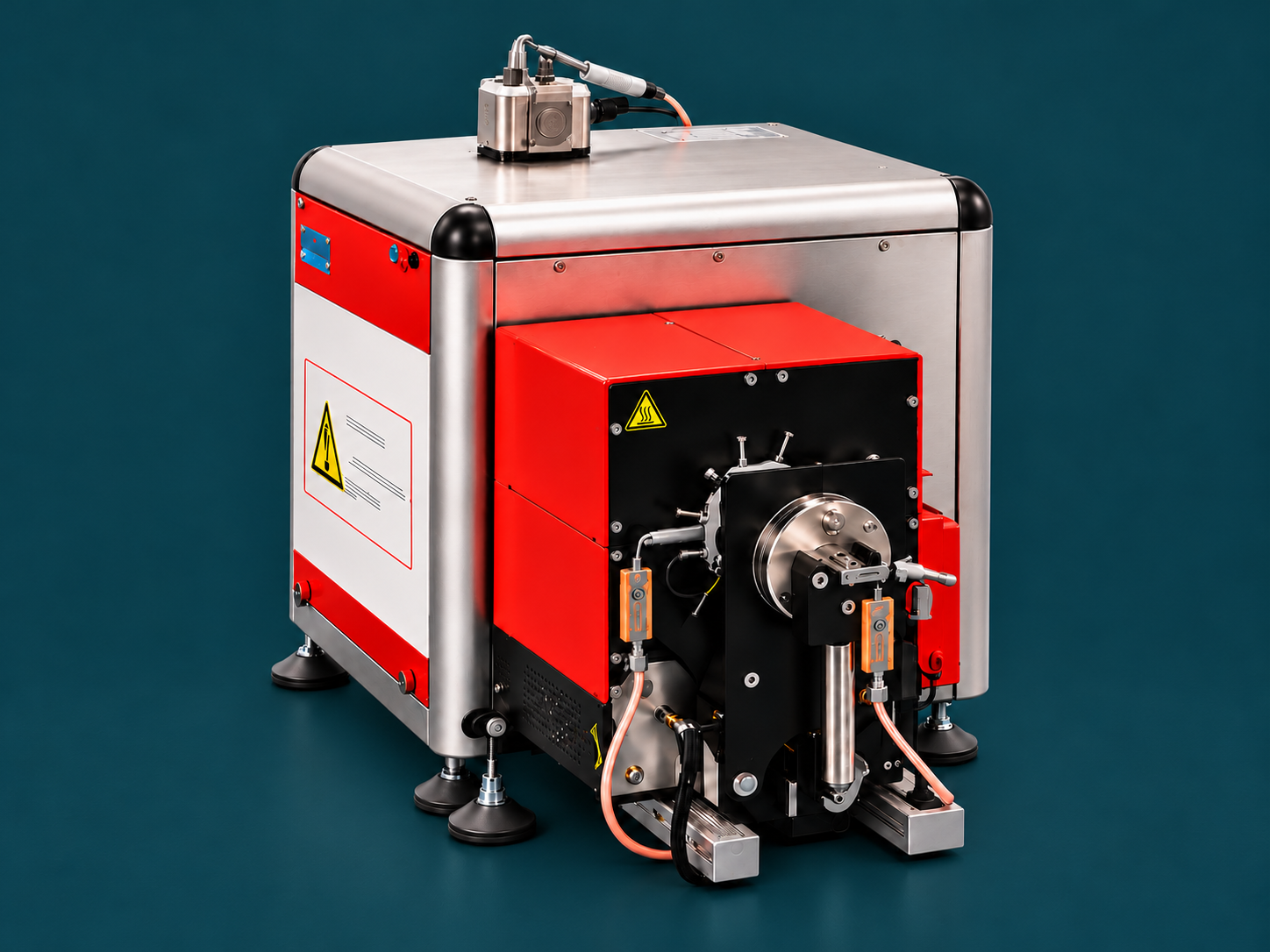
Large Volume Pyrolysis
The large Chromtech pyrolysis oven automates large-volume pyrolysis for microplastics analysis. Large ceramic sample crucibles, PAL RTC, RSI and DHR and a heated transfer line connect sample preparation with GC-MS analysis.
 Laboratory automation
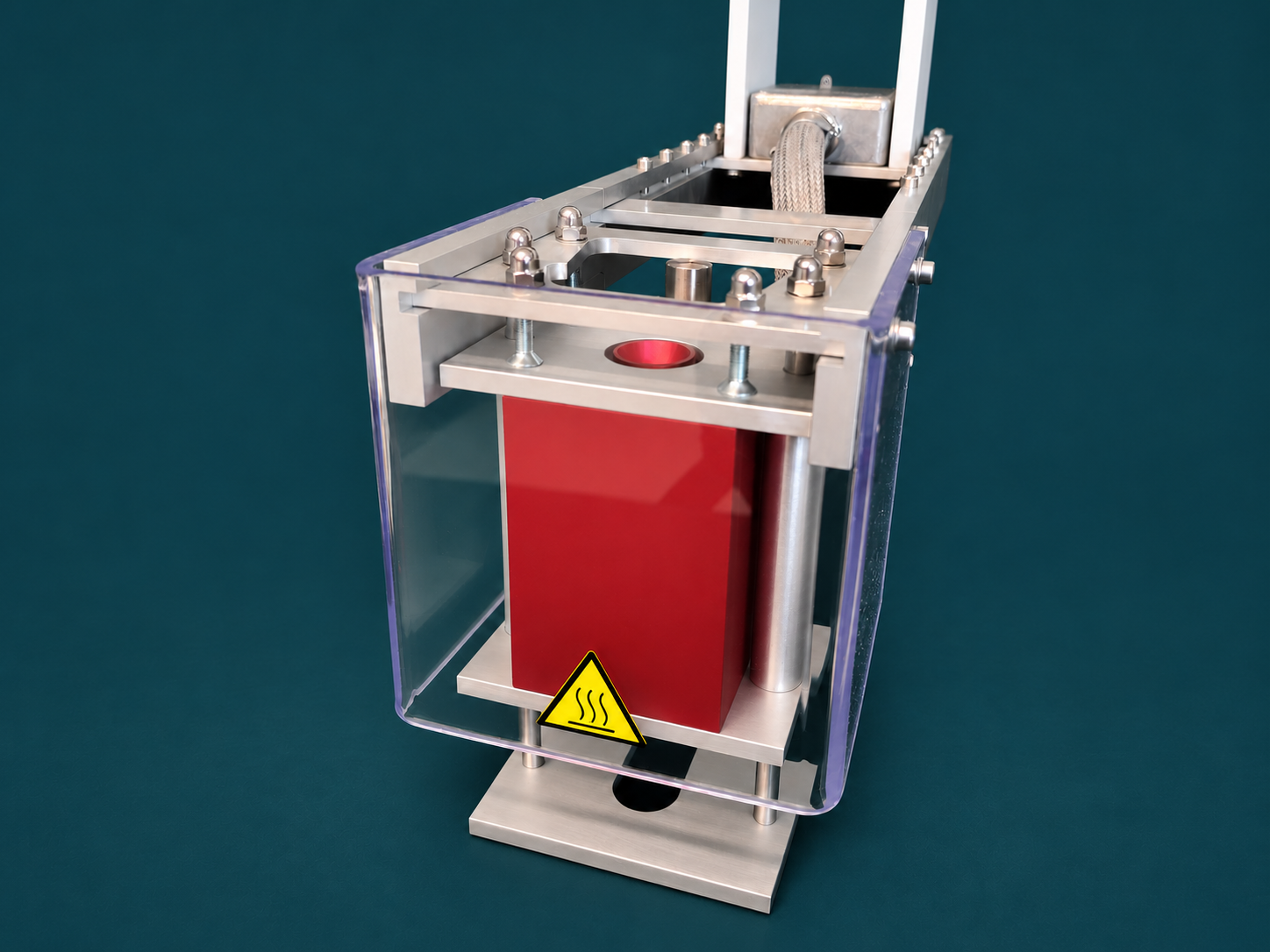
PAL3 TDAS 2020
Chromtech’s PAL3 TDAS 2020 automates thermal desorption at the RTC PAL. A mobile furnace transfers volatile and less volatile compounds directly from the sample tube into the GC injector – without an additional transfer line.
 Gas chromatography
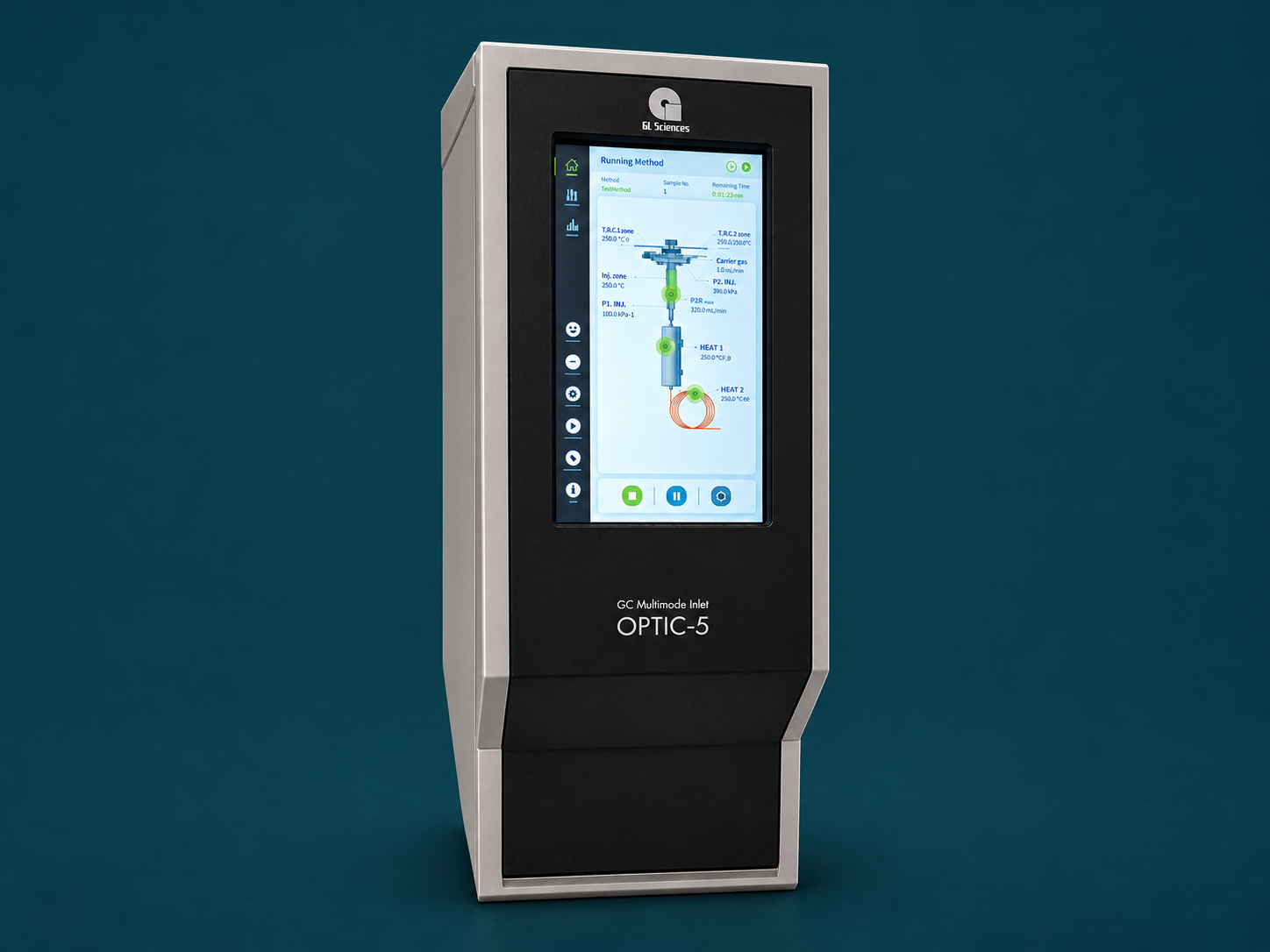
OPTIC-5
OPTIC-5 is a versatile inlet system for gas chromatography with precise temperature and gas flow control. Three versions cover liquid injection, thermal desorption and pyrolysis.
 Laboratory automation
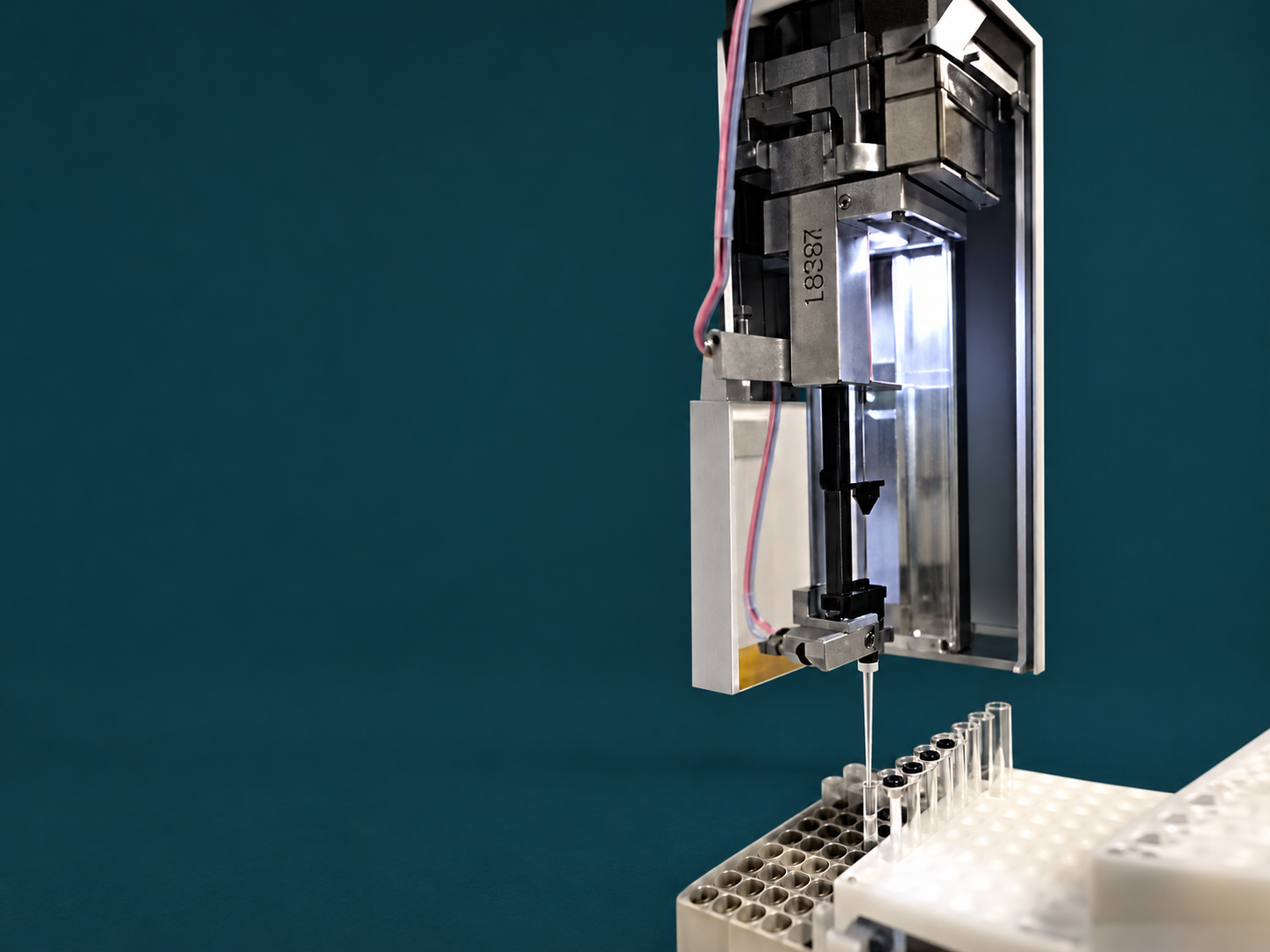
LINEX liner changer for PAL3
LINEX automates the changeover of OPTIC liners for direct thermal desorption, pyrolysis and the task of liquid and solid samples with a PAL3 system.