
Application · Environmental analysis
Headspace, SPME and SPDE compared
Whether water, soil or air: reliable analytical results begin with suitable sample preparation. Headspace, SPME and SPDE offer different ways to sample and enrich organic trace compounds. This comparison helps you choose a technique for your target compounds and shows how eTrap and SMM complement the workflow.
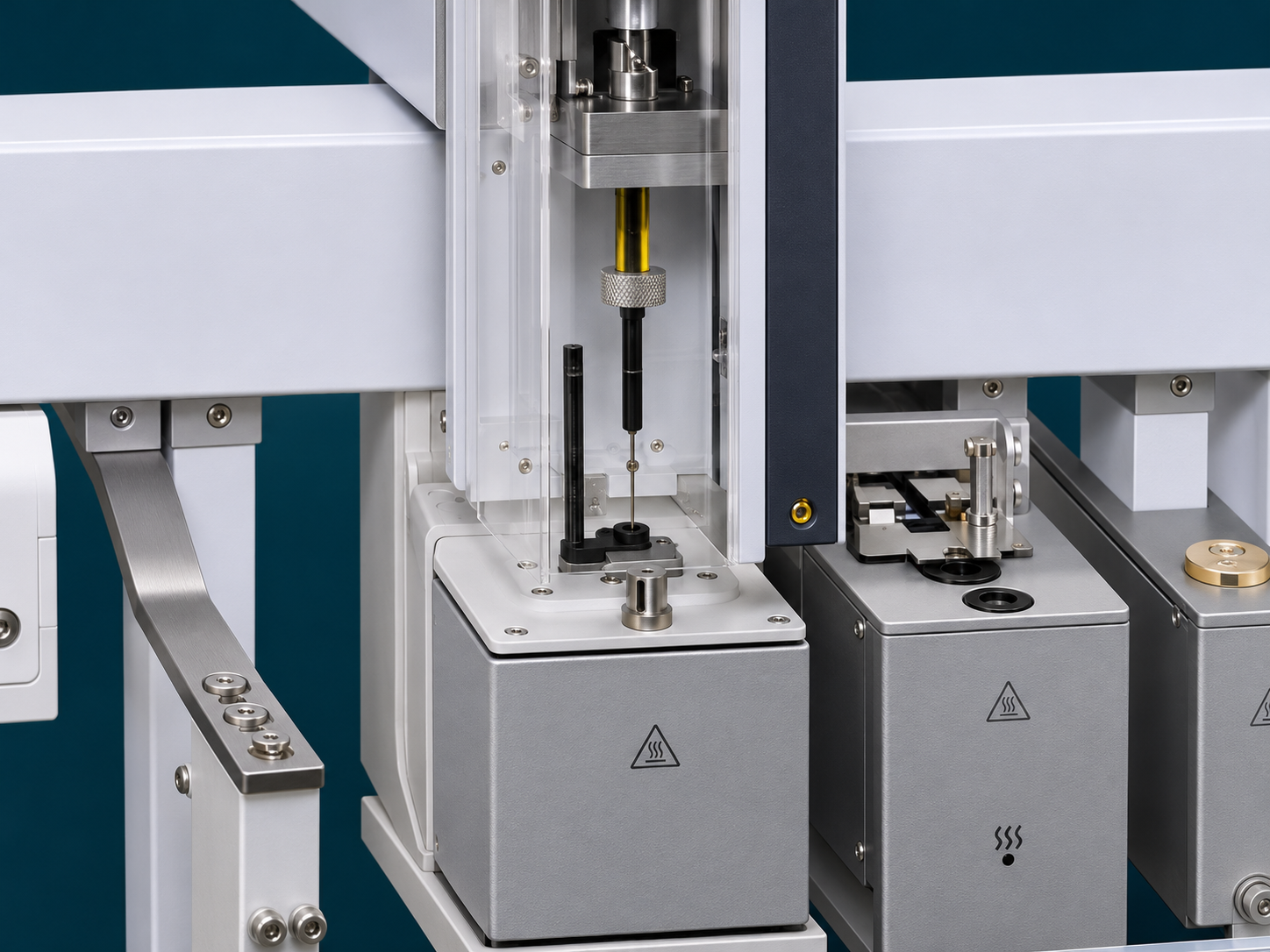
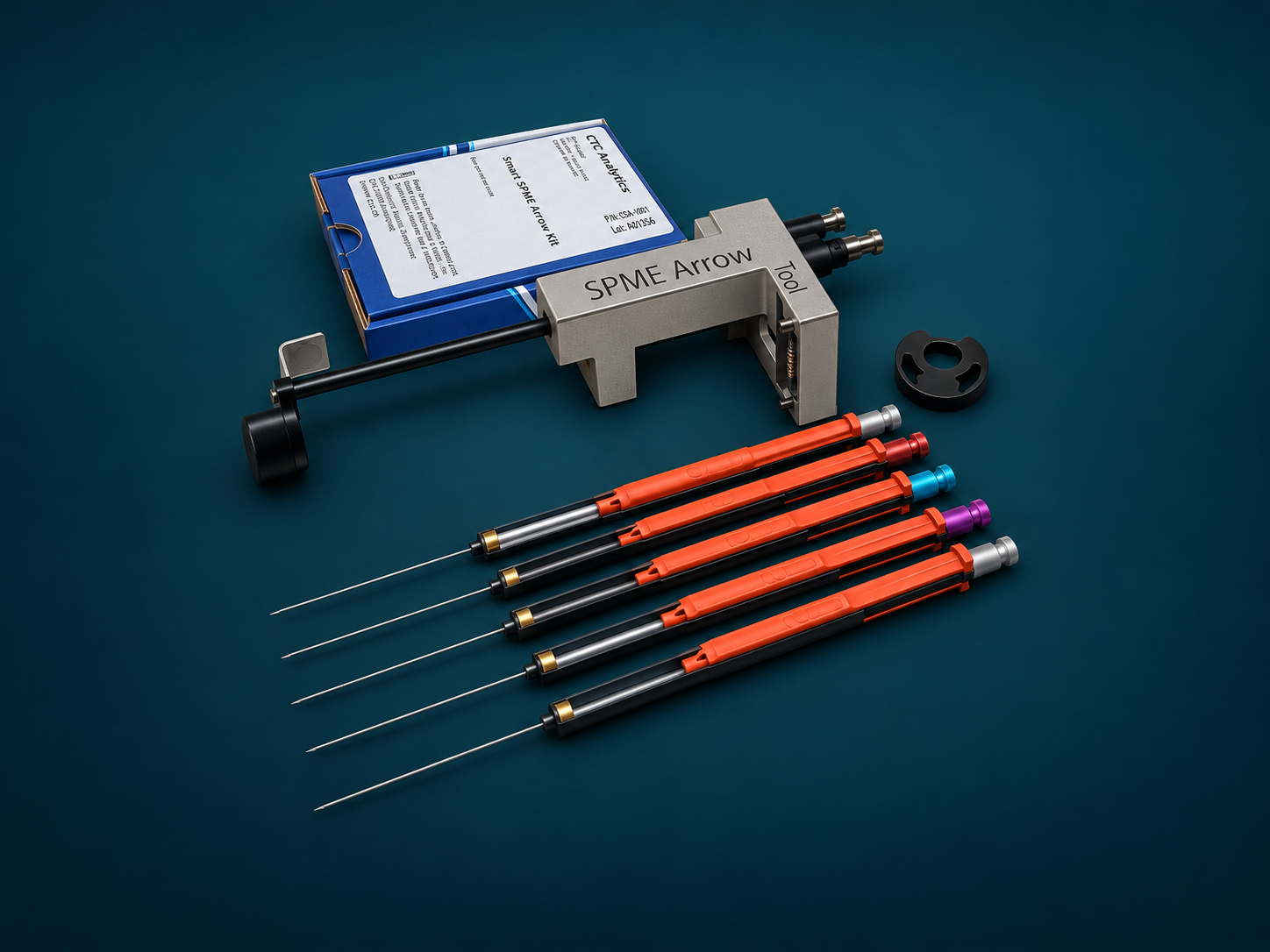
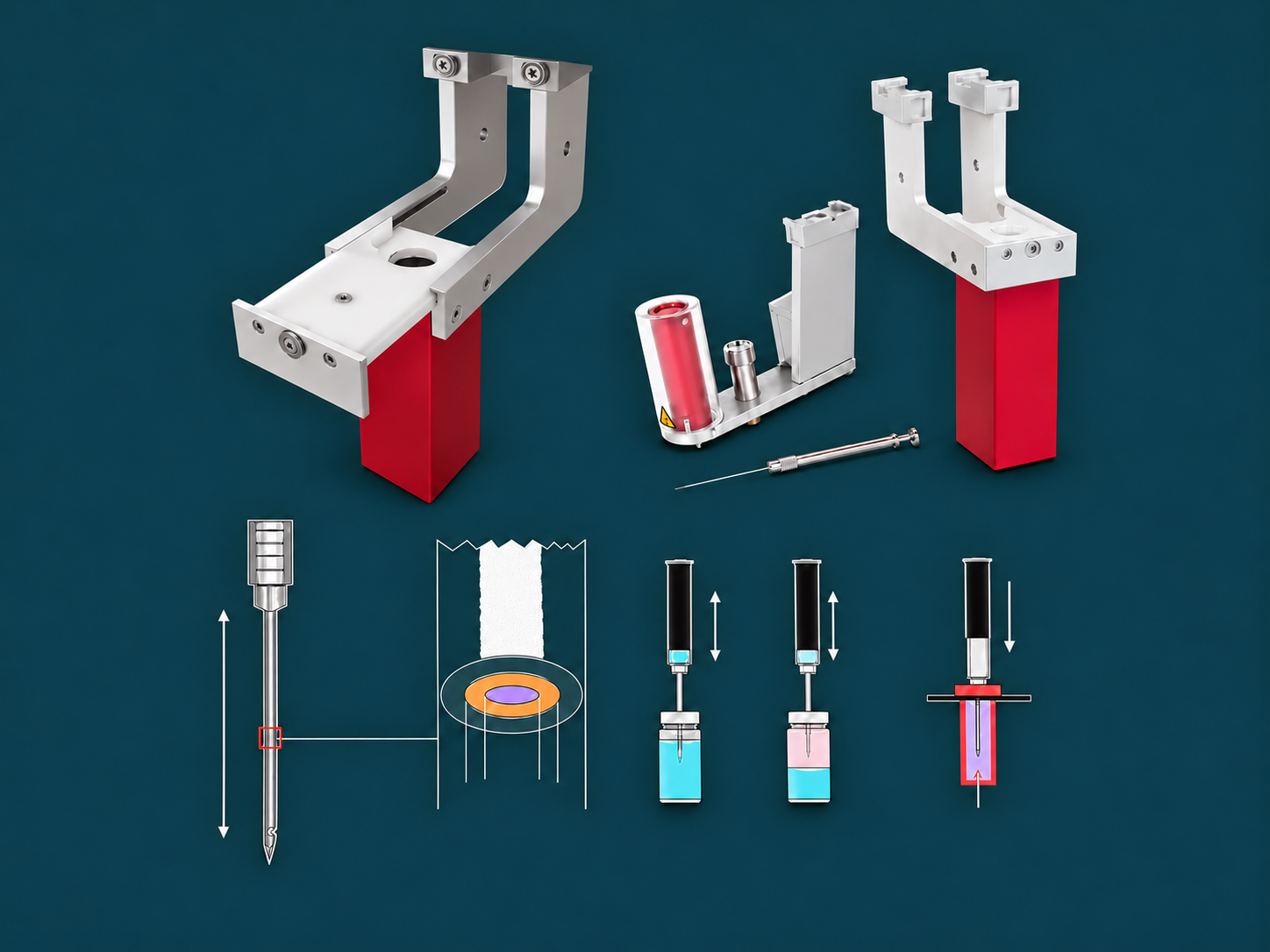
| Criterion | Static headspace | SPME Arrow | SPDE |
|---|---|---|---|
| Principle | Sample the headspace above the temperature-controlled sample. | Collect compounds on a coated fiber or SPME Arrow. | Repeatedly draw the sample through an internally coated needle. |
| Enrichment | Without eTrap: no. With eTrap: yes, including multiple injections. | Yes, on the fiber/Arrow coating. | Yes, on the needle coating. |
| Compound groups | Primarily VOCs. | VOCs and SVOCs, depending on coating and method. | VOCs and SVOCs, depending on coating and method. |
| Sample contact | Headspace. | Headspace or direct immersion in liquid. | Headspace or liquid. |
| GC introduction | Gas injection. | Thermal desorption in the inlet. | Thermal desorption with carrier-gas flushing in the inlet. |
| eTrap particularly beneficial for | Highly volatile VOCs: splitless introduction and sharp focusing. | Volatile to highly volatile VOCs: focusing after desorption. | Volatile to highly volatile VOCs: focusing after desorption. |
| Additional benefit with eTrap | Collect multiple aliquots from the same incubated sample and release them together. | Transfer a narrow sample band to the column. | Transfer a narrow sample band to the column. |
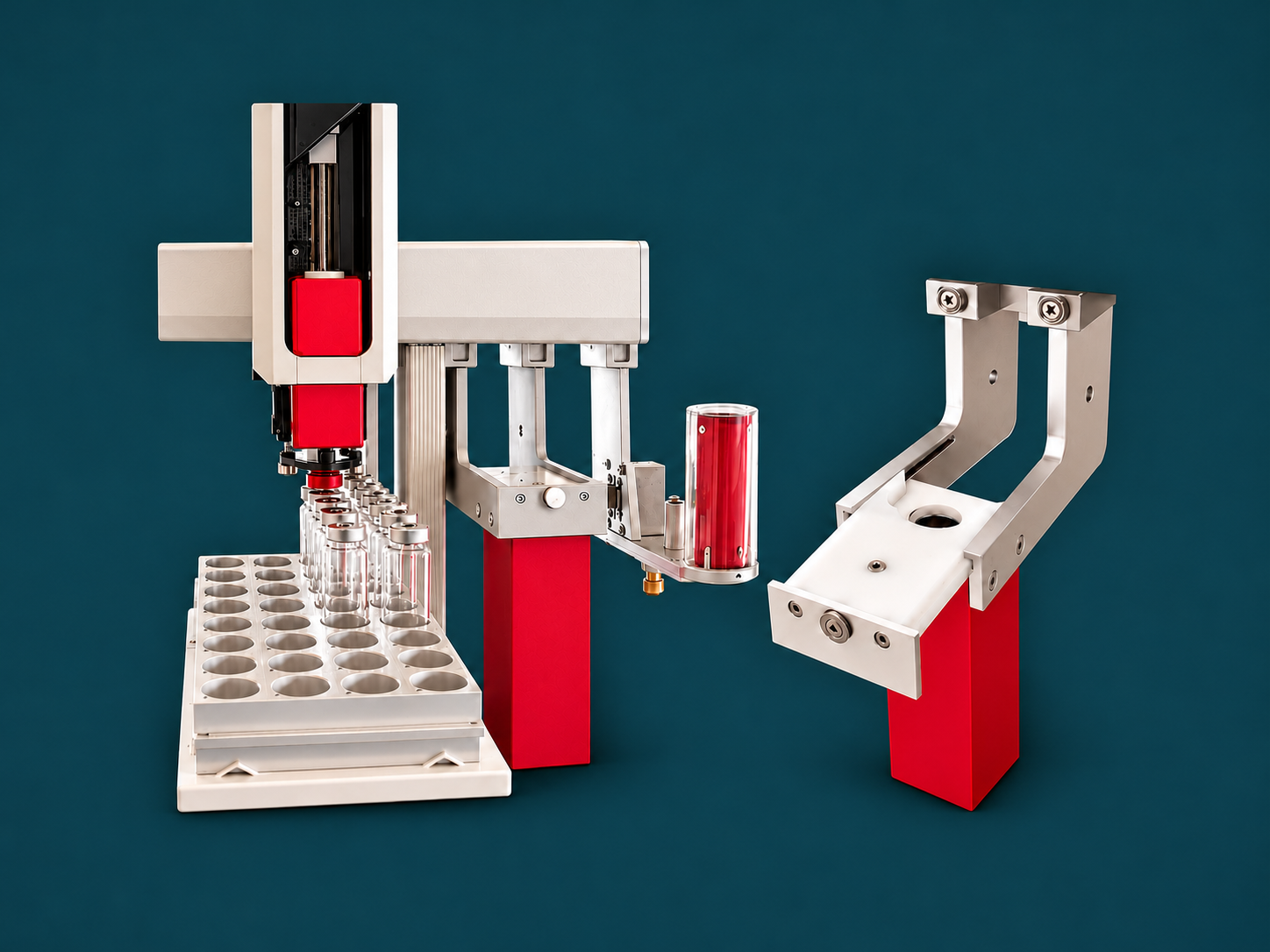
| Chromtech SMM | Stirring and temperature control of the sample. | Stirring instead of shaking: protects SPME fibers and reduces the risk of breakage. | Controlled stirring and temperature control support extraction. |
VOC (Volatile Organic Compounds): volatile organic compounds. SVOC (Semi-Volatile Organic Compounds): semi-volatile organic compounds.
SPME means solid-phase microextraction; SPDE means solid-phase dynamic extraction. Both use solvent-free extraction. SPME Arrow also uses this enrichment principle.
The eTrap is particularly beneficial for highly volatile VOCs such as vinyl chloride, chloroethane and MTBE. Its usable range depends on trap version, sorbent, temperature and method. This focusing benefit is usually less prominent for SVOCs.
The SMM stirs with a magnetic stir bar while the sample vial remains stationary. This particularly protects immersed SPME fibers and reduces the risk of breakage. Coating, matrix and extraction conditions determine the suitability of each technique.
Complementary products: eTrap and SMM
Our options
 Laboratory automation
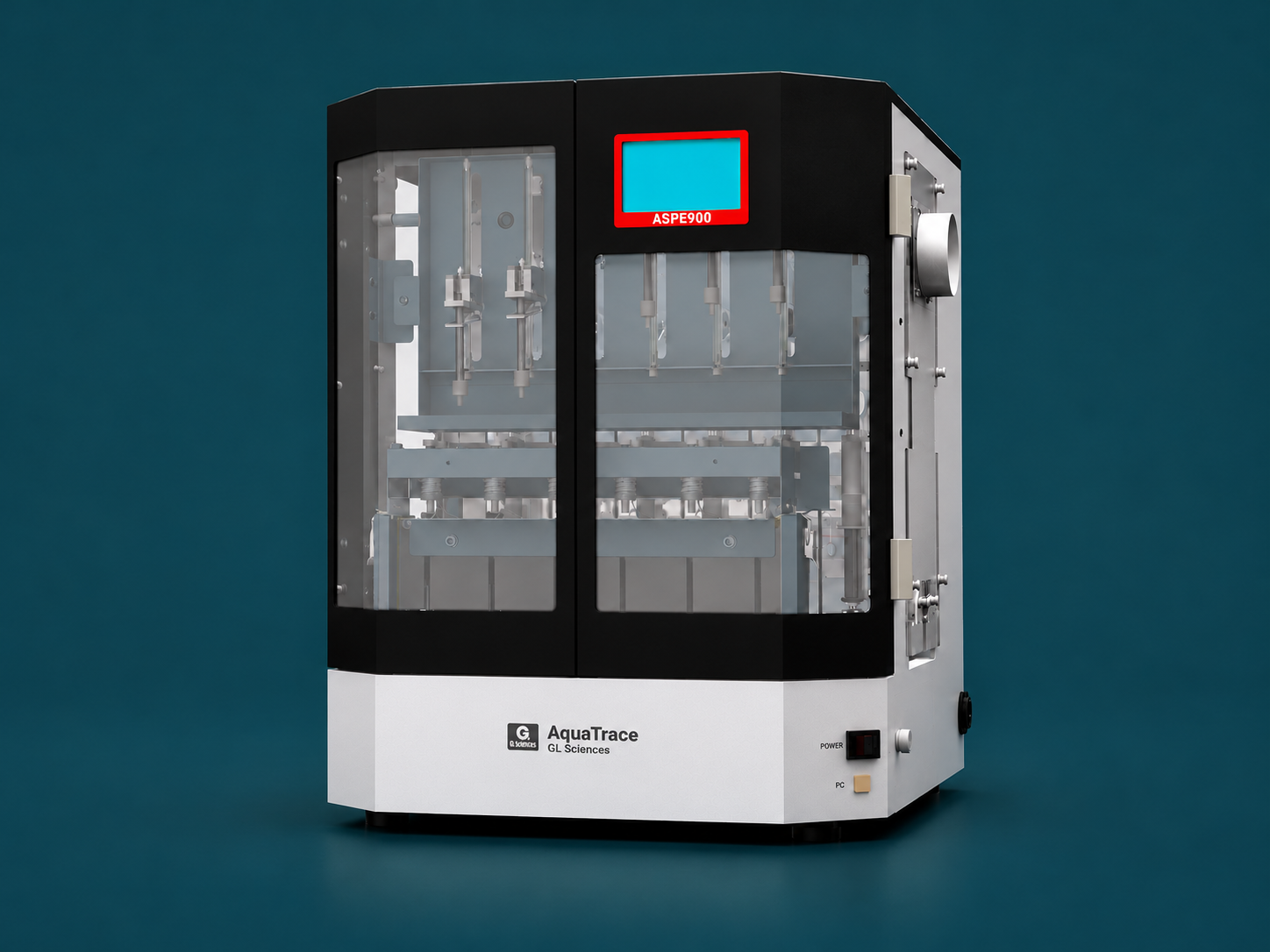
AquaTrace ASPE900
AquaTrace ASPE900 from GL Sciences automates solid-phase extraction of water samples on up to six parallel lines. Conditioning, loading, rinsing, drying, elution and evaporation are combined in one system.
 Gas chromatography
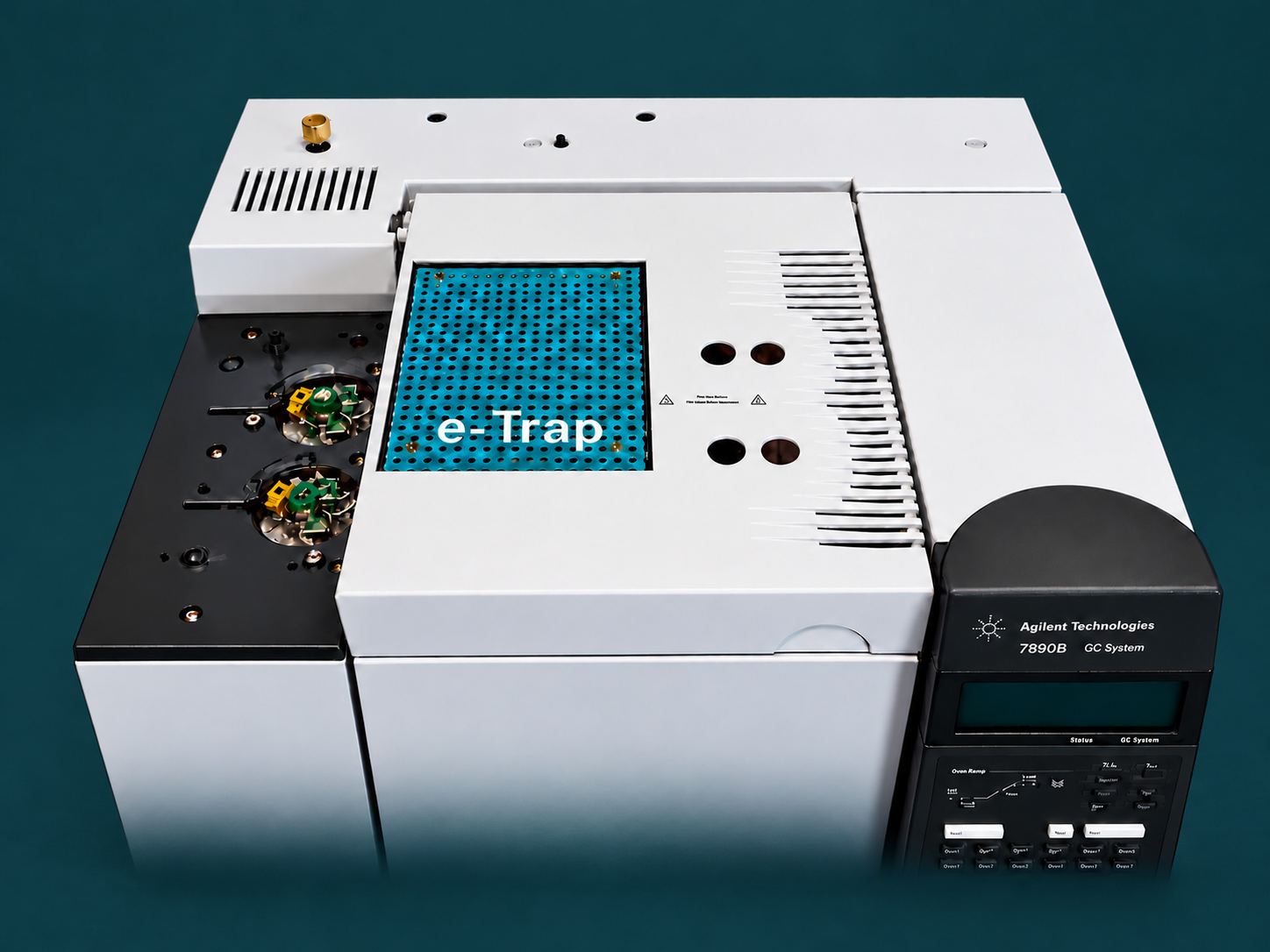
eTrap
The Chromtech eTrap focuses highly volatile compounds electrically and without cryogenic cooling media. eTrap and eTrap Plus support splitless headspace, SPDE, SPME, thermodesorption and purge-and-trap applications.
 GC/MS
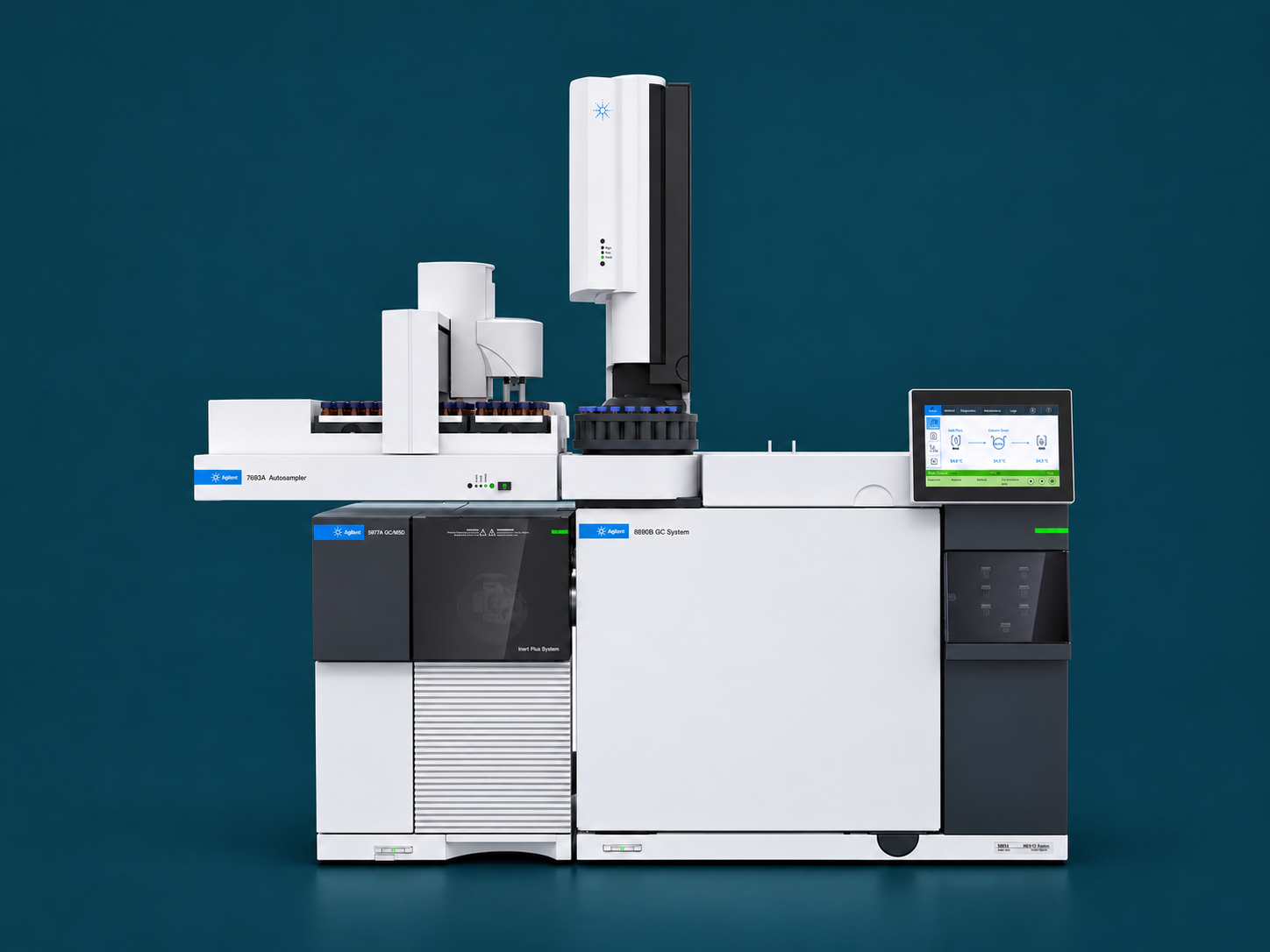
Agilent GC-MSD
The Agilent 5987A GC/MSD succeeds the 5977C. A new ER detector, faster scanning and dynamic ion monitoring extend routine and trace analysis. SIM Optimizer and GC Assist support method development and daily operation.
 Laboratory automation
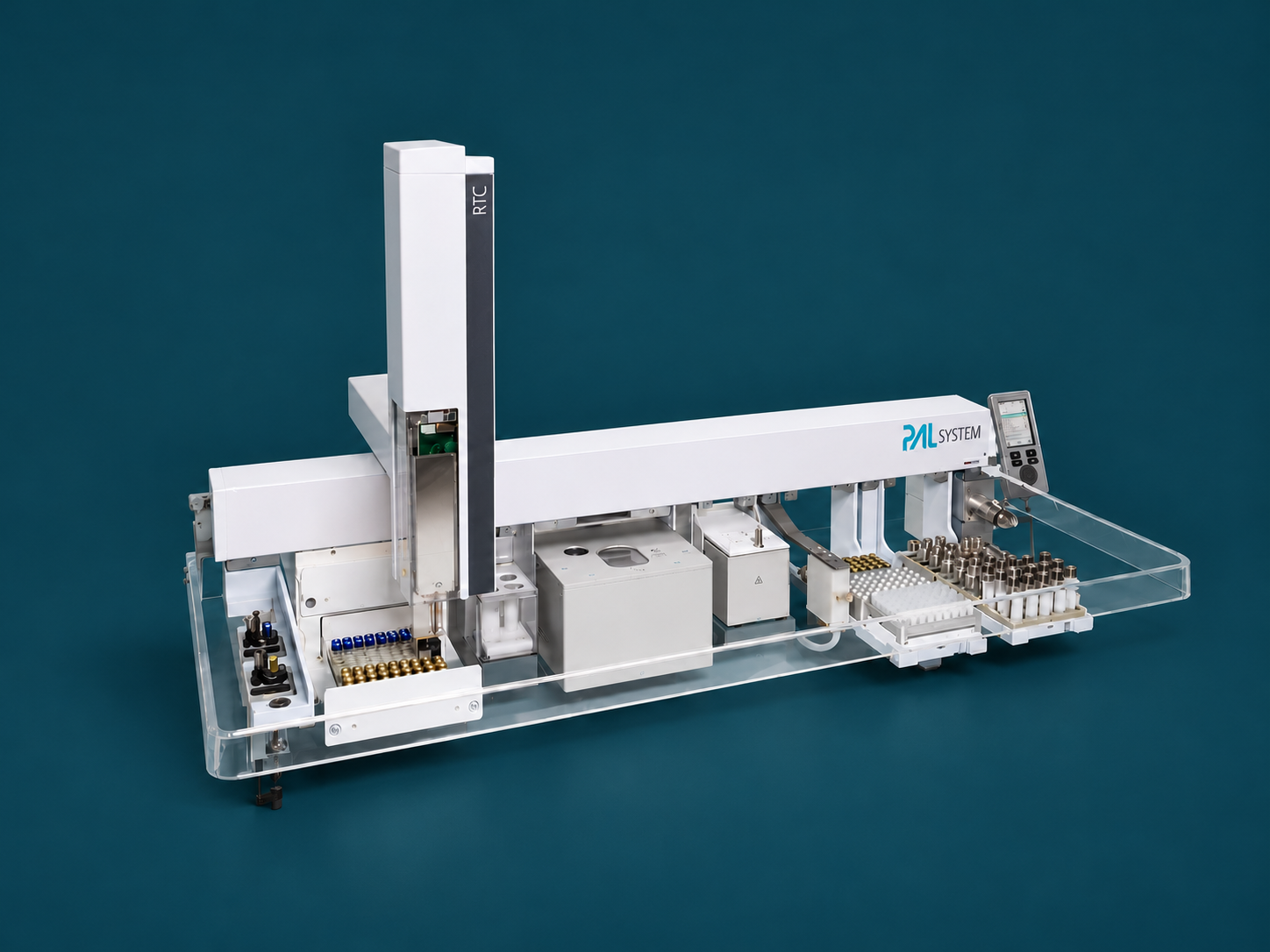
PAL3
PAL systems automate sample preparation and sample application for gas and liquid chromatography. Choose between PAL RSI, PAL RTC and the DHR system with two heads.
Methodological consultancy services
Which environmental sample would you like to examine?
We assess the matrix, target compounds and existing systems together.
Describe your application →